Kitchen hood cleaning removes the grease that collects in your canopy, filters, ducts and fan, and it is the main way a commercial kitchen controls its exhaust fire risk. Professional kitchen hood cleaning should follow the whole extraction system, not stop at the filters you can see. This guide walks restaurant, hotel and central kitchen managers through each part of that system. It covers daily tasks, cleaning frequency, after hours work and the reports you should receive. It also shows how Sanco’s kitchen exhaust team plans and documents each visit in Dubai.
Key Takeaways
- Kitchen hood cleaning should cover the hood, filters, ductwork, ecology unit, fan and external vent, because grease builds up along the whole extraction route.
- Most restaurants book commercial hood cleaning every three months, while heavy, oily or charcoal cooking usually needs a visit every month or every two months.
- A trusted kitchen exhaust cleaning company for restaurants works after hours and provides a report with before and after photos and a certificate.
How a Commercial Kitchen Exhaust System Works
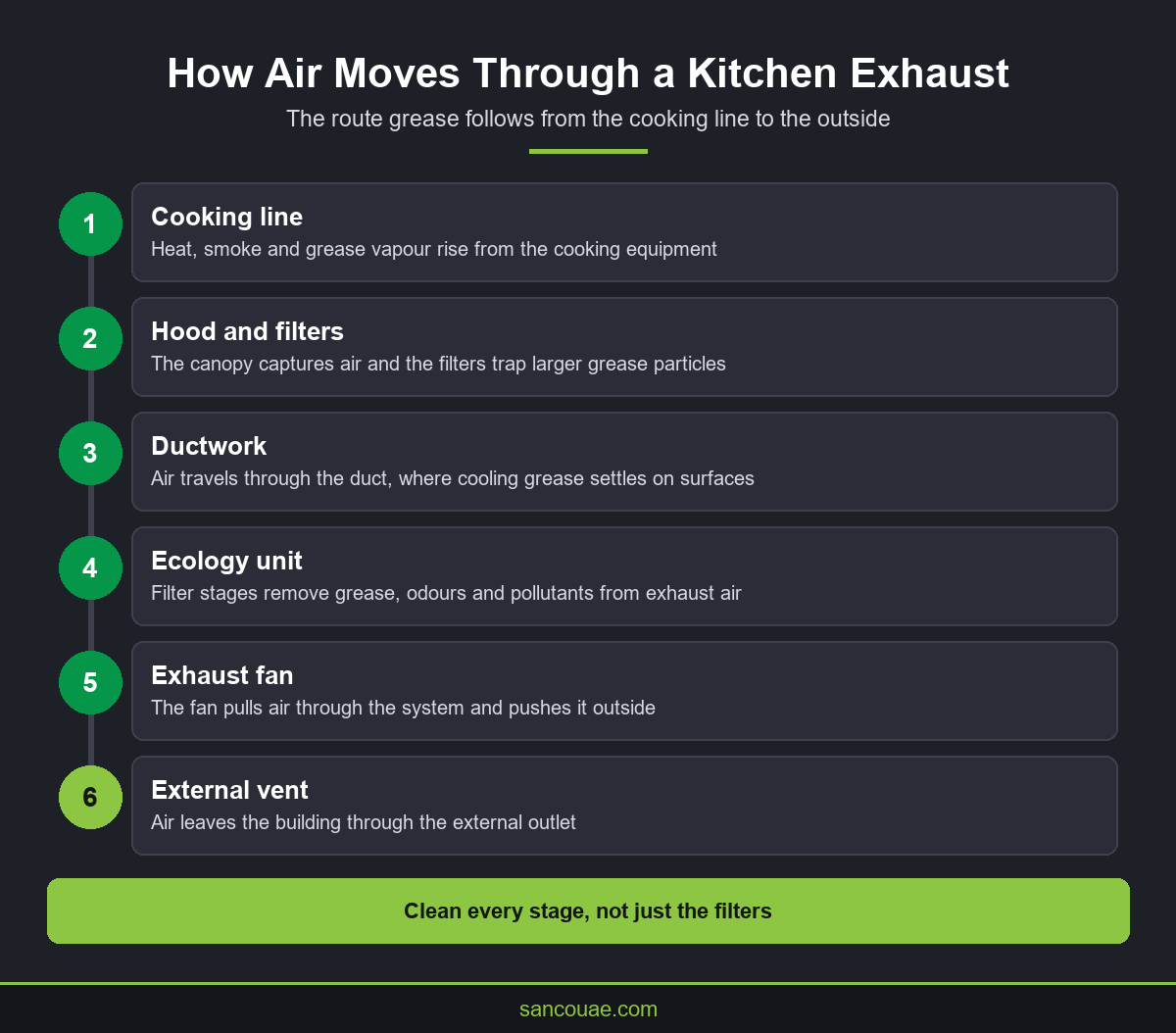
Every commercial kitchen has an extraction system that pulls hot air, smoke and steam away from the cooking line. Grease travels with that air. Some of it is caught early, but some of it moves deeper into the system and settles where nobody looks. That is why kitchen hood cleaning has to start with an understanding of the full route.
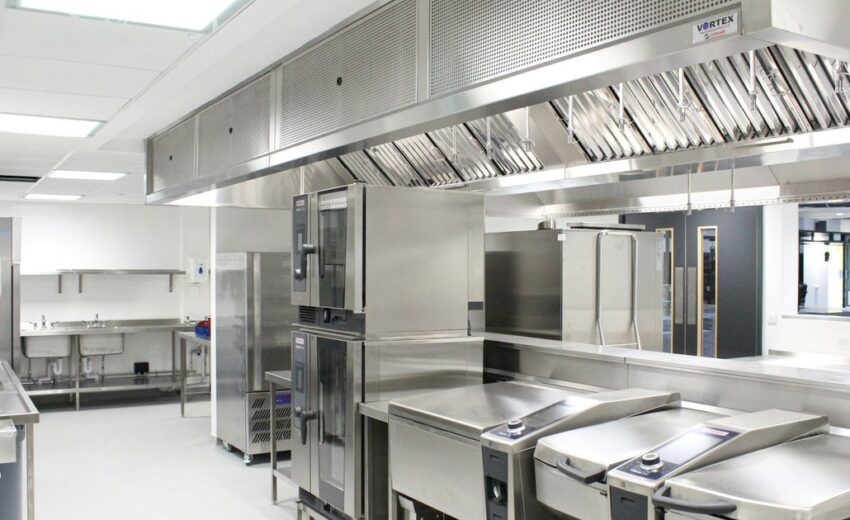
A typical system has five main parts. Air enters the canopy or hood above the cooking equipment. It passes through grease filters set into the hood. It then travels through ductwork that may run across ceilings, through walls or up several floors. Many kitchens also have an ecology unit that filters the exhaust air before release. Finally, an exhaust fan pulls the air through and pushes it out of an external vent.
Grease vapour cools as it moves away from the heat. As it cools, it condenses on metal surfaces and forms a sticky film. Over weeks, that film thickens and hardens. Dust and food particles stick to it, and the layer grows faster.
Sanco’s service page explains why this matters. Grease and fat deposits in commercial kitchens are a serious fire risk. Build up also reduces the efficiency of the system. It shortens the life of the fan unit, slows the rate of air flow and makes the duct less able to breathe. A kitchen with poor extraction becomes hotter, smokier and less pleasant to work in.
International guidance treats the system the same way. The NFPA 96 standard on commercial cooking ventilation covers hoods, ducts, fans and fire protection as one connected installation. Local requirements in the UAE come from your own regulators, landlord and insurer, so check which rules apply to your site.
Each part also affects the others. A clogged filter pushes more grease into the duct. A greasy duct loads the ecology unit faster. A dirty ecology unit reduces air flow and makes the fan work harder. Planning kitchen hood cleaning around the whole chain stops one weak point from undoing the work done elsewhere.
The practical lesson is simple. Kitchen hood cleaning that only covers the hood leaves grease in the duct, the ecology unit and the fan. A complete clean follows the air from the cooking line to the outside vent.
Hoods and Filters: Daily, Weekly and Contractor Tasks
The hood and its filters are the first line of defence. They catch the largest share of grease, so they also need the most frequent attention. Good kitchen hood cleaning splits the work between your own staff and a professional contractor. This keeps grease under control every day, while the contractor handles the parts that need tools, access and training.
Daily Tasks for Kitchen Staff
At the end of each shift, staff should wipe the outside of the canopy and the area around the filters. Grease drips and splashes are easier to remove while they are fresh. Check that every filter is in place and sitting correctly, because a missing filter lets grease pass straight into the duct. Empty any grease cups or drip trays fitted to the hood. Store used fryer oil in sealed containers for a cooking oil collection service rather than pouring it down the sink. These small habits make every professional kitchen hood cleaning visit faster and more effective.
Weekly Filter Washing
Many kitchens remove and wash their baffle or mesh filters every week, and busy kitchens often do it more often. Soak the filters in hot water with a suitable degreaser, scrub them and let them dry fully before refitting. Look for bent blades, damaged frames or gaps that let air bypass the filter. Replace damaged filters promptly. Record each wash in a simple log, so you can show that the hood was looked after between professional visits. Clean filters also help the fan move air more easily.
What the Contractor Does
Staff washing cannot reach the inside of the hood plenum, the hidden space behind the filters. That is where professional kitchen hood cleaning begins. Technicians protect the cooking equipment, remove the filters and degrease the inside of the canopy. They scrape hardened deposits and clean surfaces that kitchen teams cannot safely reach. Sanco’s team cleans exhaust hoods and grease filters thoroughly on each scheduled visit. The same visit can continue into the duct, fan unit and external vent. The result is a hood that is clean inside and out, not only on the surface.
Ductwork: Where Grease Builds Up
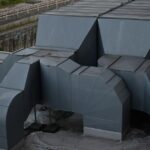
Ductwork is the part of kitchen hood cleaning most often missed. A hood cleaning service that stops at the canopy leaves the duct untouched, yet this is where grease has time to cool and settle. A duct can run for many metres before it reaches the fan, and every bend adds a new place for deposits to collect.
Grease builds up most at a few predictable points:
- Horizontal runs, where grease settles on the base of the duct
- Bends and elbows, where air slows and changes direction
- Joints and seams, where sticky film catches on edges
- Sections close to the fan, where the air is coolest
Access is the main challenge. Technicians need access panels to reach each section of the duct. Older or poorly designed systems may have long runs without any openings. In that case, the contractor should point out the problem in the report, so you can decide whether more access is needed.
The cleaning method depends on the depth of deposits. Light film can be removed by hand with degreaser and scrapers. Heavier, hardened layers need more time and firmer scraping before the surfaces are washed. A careful team protects the kitchen below from drips and collects the removed grease for proper disposal.
Ask your contractor to show you the inside of the duct in the photos. Many managers never see this part of the system. A photo of a cleaned duct section is the clearest evidence that kitchen hood cleaning went beyond the canopy.
Duct cleaning also matters for fire safety. A grease fire that starts on the cooking line can travel into the duct if deposits give it fuel. Sanco describes regular exhaust cleaning as a way to reduce the fuel load in the system. That is the main reason kitchen hood cleaning must include the duct and not just the filters.
Kitchen exhaust ducts are separate from your air conditioning ducts. AC ducts carry conditioned air around the building and collect dust rather than grease. If you also want those cleaned, Sanco offers AC duct cleaning for commercial buildings as a separate service.
Ecology Units and Exhaust Fans
Beyond the duct, two more parts of the system collect grease. The ecology unit filters the exhaust air, and the fan moves it. Both need regular attention as part of kitchen hood cleaning. Some contractors skip them because they are harder to reach, often on roofs or in plant rooms.
How Ecology Units Filter Exhaust Air
An ecology unit is an air filtration unit fitted into the exhaust system. Sanco describes these units as crucial for air quality in commercial kitchens, because they filter and clean exhaust air and remove grease, odours and other pollutants. They are often used where exhaust air is released close to people, such as in malls and hotels. Units usually combine several filter stages. Depending on the design, these can include mesh or bag filters, an electrostatic precipitator and activated carbon for odours. When filters clog, air flow drops.
Servicing the Ecology Unit
Ecology units need their own maintenance schedule alongside kitchen hood cleaning. Sanco’s scheduled maintenance covers filter changes, system checks and cleaning to prevent fire hazards and keep performance high. Sanco also installs ecology units for restaurants, hotels and healthcare facilities. The team can integrate them with existing HVAC systems and offers emergency repairs through 24/7/365 callouts. According to Sanco’s ecology unit page, a well maintained unit can reduce how often ducts need cleaning and help lower energy use.
The Exhaust Fan and External Vent
The fan is the engine of the whole system. Grease on the fan blades and housing makes the fan work harder and can unbalance the blades. Sanco lists a shorter fan life as one of the costs of grease build up. During full kitchen hood cleaning, technicians should degrease the fan housing and blades, check that grease outlets are clear and clean the external vent. Any noise, vibration or loose parts should be noted in the report. A clean fan moves air more efficiently and keeps the kitchen cooler and safer.
How Often to Schedule Professional Cleaning
There is no single schedule that fits every kitchen. The right frequency for kitchen hood cleaning depends on what you cook, how much you cook and how many hours the line runs. Sanco’s guidance gives a useful starting point.
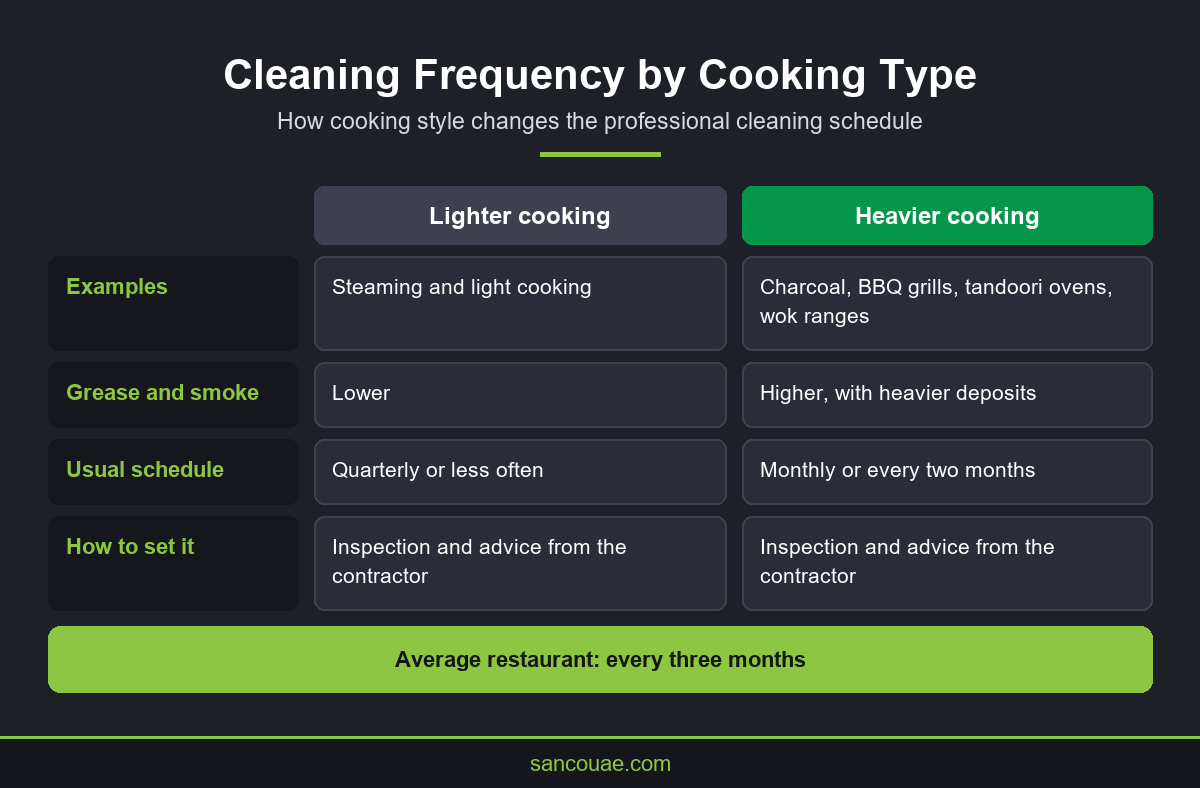
For an average restaurant, the most common frequency is every three months, or quarterly. Kitchens with heavier, oilier or high volume cooking typically need monthly cleaning or a visit every two months. Kitchens with lighter cooking may need less frequent service.
Cooking style makes a big difference. Systems over charcoal burning stoves, BBQ grills, tandoori ovens or Chinese wok ranges usually need more frequent cleaning. These methods produce more smoke and grease, and the deposits are often heavier. A kitchen focused on steaming produces far less grease and can usually work on a longer cycle.
Other factors affect the schedule too:
- Opening hours, since a kitchen running late every night produces more grease
- Menu changes, such as adding a grill or fryer station
- Seasonal peaks, events and banqueting
- The condition of the ecology unit and its filters
The safest approach is to inspect first and then decide. Sanco’s team inspects the kitchen exhaust system and advises on the best frequency for your setup. Review the schedule after the first few visits. If technicians find heavy deposits at each kitchen hood cleaning, shorten the cycle. If the system stays light, the current schedule may be enough.
Central kitchens deserve special care. They often cook in large batches for several outlets, and the line can run for most of the day. A central kitchen hood cleaning plan should reflect those hours, not the schedule of a single restaurant.
Keep a record of each kitchen hood cleaning date alongside notes on how heavy the deposits were. After a year, that record shows whether your schedule matches your real grease load. It also makes planning easier, because visits can be booked in advance around busy periods such as holidays and events.
After Hours Cleaning With Minimal Disruption
A kitchen cannot close for a day for kitchen hood cleaning. Good restaurant hood cleaning is planned around service, so the kitchen is ready when the next shift arrives. This is one of the clearest differences between a professional contractor and an occasional cleaner.
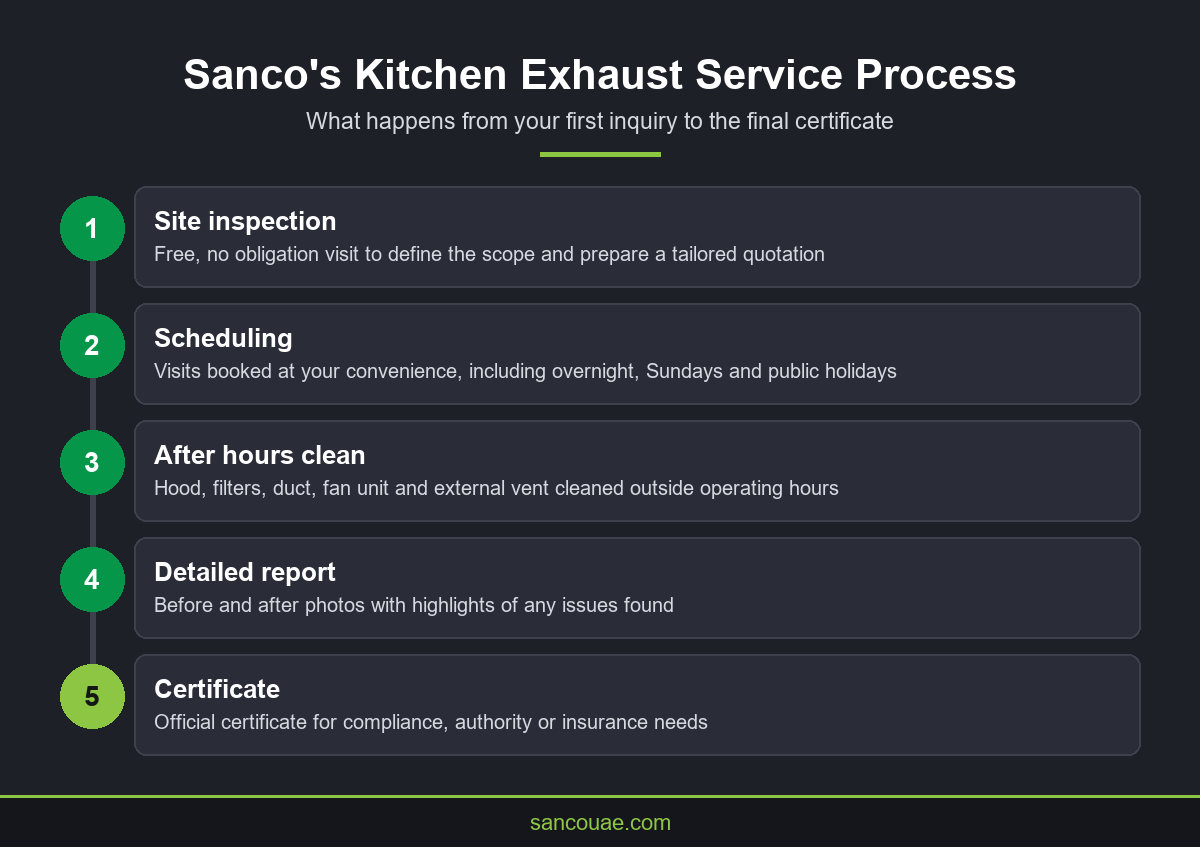
Sanco schedules recurring visits after kitchen operating hours. Clients can choose monthly visits, visits every two months or visits every three months. For late closing kitchens, the team also carries out overnight cleaning. Visits can be booked on Sundays and public holidays too. Teams operate 24/7, so the work fits the kitchen’s timetable rather than the other way round.
A well planned after hours visit usually follows a clear pattern:
- The crew arrives after the last orders and agrees the scope with the person in charge
- Cooking equipment and floors are covered to protect them from drips
- Filters are removed and the hood, duct, fan and vent are cleaned in order
- The area is washed down and equipment is uncovered
- Filters are refitted and the system is checked before the crew leaves
Your own team can help the visit run smoothly. Switch off and cool the cooking equipment before the crew arrives. Clear the area under the hood of loose items. Make sure the crew can reach roof fans, access panels and ecology units, which may involve building security or the landlord.
Hotels and malls often need extra coordination. Roof access, loading bays and shared risers may need permits from the building. Plan these early, so the kitchen hood cleaning visit can start on time and finish before breakfast service.
Noise and smell are also part of planning. Degreasing and scraping can create odours and noise, so a late night slot keeps this away from guests. In hotels, choose a time that avoids room service peaks and early breakfast preparation. Agreeing these details before the first kitchen hood cleaning visit avoids surprises on the night.
Post Cleaning Reports, Photos and Certificates
The report is your proof that kitchen hood cleaning took place and covered the whole system. Without it, you only have the contractor’s word. With it, you can show inspectors, landlords and insurers exactly what was done.
Sanco’s process starts with a free, no obligation site inspection. This gives a precise scope of work and a tailored quotation. Once you approve, the team schedules the work at a time that suits you. After the clean, you receive a detailed report with before and after photos, issue highlights and an official certificate for compliance, authority or insurance needs.
This structure matters because it links the quote, the work and the evidence. The inspection sets the scope. The report then shows that each item in the scope was delivered. If your kitchen hood cleaning report lists fewer areas than the quotation, ask why before you sign it off.
What a Good Report Should Include
A useful report lists every part of the system that was cleaned: hood, filters, duct sections, ecology unit, fan and external vent. It should include before and after photos of each area, so you can see the change. It should also record areas that could not be reached, such as duct runs without access panels. Issue highlights matter most. Damaged filters, worn fan parts or missing access doors should be clearly flagged with a recommendation. Keep every report in one file, so you can track how quickly grease returns after each kitchen hood cleaning.
Using the Certificate
The cleaning certificate confirms that the system was cleaned on a stated date. Keep it with your other safety records, including fire system checks and your grease trap records. Insurers and landlords may ask to see it after an incident or at renewal. Authorities may ask for it during an inspection. Place a copy in the kitchen office and store a digital copy too. On a quarterly schedule, you should have four certificates a year. A gap in that series is easy to spot, so plan visits well ahead.
Choosing a Kitchen Exhaust Cleaning Contractor
Choosing a trusted kitchen exhaust cleaning company for restaurants is as important as choosing the schedule. A low quote that only covers the filters can leave most of the grease in place. Ask clear questions before you sign a kitchen hood cleaning contract.
- Does the scope cover the hood, filters, ductwork, ecology unit, fan and external vent?
- Will the team inspect the system and recommend a frequency before quoting?
- Can visits take place after hours, overnight, on Sundays and on public holidays?
- Will you receive before and after photos, issue highlights and a certificate?
- Can the same company service the ecology unit and handle emergency repairs?
A good kitchen hood cleaning service also explains what it cannot reach. Honest reporting of missing access panels or damaged parts is a sign of a careful contractor. Be wary of any firm that promises a full clean without inspecting the system first.
It also helps to work with one company across the kitchen. Grease does not only travel up the exhaust. It also goes down the drains into the grease trap. Sanco provides grease trap cleaning for food businesses, and the same team can clean garbage hoods in waste areas with biodegradable cleaning agents.
Sanco Environmental Services was established in 2012 and works with restaurants, hotels and facilities across the UAE. You can read more about Sanco’s team and approach. Our kitchen exhaust hood cleaning is built around inspection, scheduled after hours work and documented results, so your extraction system stays safe and efficient.
Think about the long term as well. A contractor who visits on a fixed schedule gets to know your system, its access points and its problem areas. Over time, that knowledge makes each kitchen hood cleaning visit faster and the reports more useful. It also means one team is accountable for the condition of your extraction.
Conclusion
Kitchen hood cleaning works best when it follows the whole extraction system, from the canopy and filters to the duct, ecology unit, fan and vent. Set a frequency that matches your cooking style, plan visits after hours and keep every report and certificate on file. Daily and weekly staff tasks keep grease under control between visits. To book a free site inspection and a tailored schedule, contact Sanco’s kitchen exhaust cleaning service or speak to our team.
Frequently Asked Questions
What does kitchen hood cleaning include?
A full clean covers the hood canopy, grease filters, ductwork, ecology unit, exhaust fan and external vent. Grease settles along the whole route, so cleaning only the filters leaves most deposits in place and keeps the fire risk high.
How often should a restaurant book kitchen hood cleaning?
Every three months is the most common schedule for an average restaurant. Heavy, oily or high volume cooking usually needs monthly visits or visits every two months. An inspection of your system is the best way to set the right frequency.
Can kitchen exhaust cleaning be done outside operating hours?
Yes. Sanco schedules visits after kitchen operating hours and also carries out overnight cleaning for late closing kitchens. Visits can be booked on Sundays and public holidays, so service is not disrupted and the kitchen is ready for the next shift.
Which cooking styles need more frequent cleaning?
Systems over charcoal burning stoves, BBQ grills, tandoori ovens and Chinese wok ranges usually need more frequent cleaning. These methods create more smoke and heavier grease deposits than steaming or other lighter cooking, so the cycle should be shorter.
What is an ecology unit in a commercial kitchen?
An ecology unit is an air filtration unit fitted into the exhaust system. It filters exhaust air to remove grease, odours and other pollutants. It needs regular filter changes, system checks and cleaning to keep working well and reduce fire risk.
Why is grease in the exhaust system a fire risk?
Grease deposits are fuel. If a fire starts on the cooking line, flames can spread into a greasy hood or duct and travel through the building. Regular professional cleaning reduces this fuel load and also helps the fan move air efficiently.
What should a post cleaning report include?
It should list every part of the system that was cleaned, with before and after photos. It should highlight issues such as damaged filters or missing access panels. Sanco also provides an official certificate for compliance, authority or insurance needs.
Do kitchen staff need to clean filters between professional visits?
Yes. Staff should wipe the canopy daily and wash the grease filters on a regular routine, often weekly. This keeps grease under control between visits, but it cannot replace a professional clean of the plenum, duct, fan and vent.
Can one company handle kitchen exhaust and drain problems?
Yes. Sanco cleans kitchen exhaust systems and also offers high pressure drain line jetting for kitchen drains blocked by grease. Using one team helps you plan maintenance across the whole kitchen with a single point of contact.
How do I get a quote for exhaust cleaning?
Sanco starts with a free, no obligation site inspection of your exhaust system. The team then prepares a precise scope of work and a tailored quotation. You can also browse the full range of Sanco services for related kitchen work.