An ecology unit is an air filtration system fitted to a commercial kitchen exhaust that removes grease, smoke and odours from the extracted air before it leaves the building. Each ecology unit passes air through several filter stages, so it needs regular filter changes and checks to keep working. This guide explains how those stages work, which signs show a unit needs attention, and how planned servicing and emergency repairs fit together. It draws on how Sanco’s kitchen air filtration team supplies, installs and maintains these units in Dubai.
Key Takeaways
- An ecology unit cleans kitchen exhaust air in stages, usually a grease filter, a fine particle stage and an odour stage, before the air is released.
- Scheduled ecology unit maintenance covers filter changes, system checks and cleaning, which reduces fire risk and keeps air flowing as designed.
- Emergency repairs and 24/7/365 callouts keep downtime short when a fan, filter or control fails during service.
What an Ecology Unit Does in a Commercial Kitchen
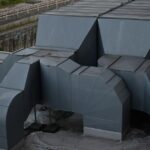
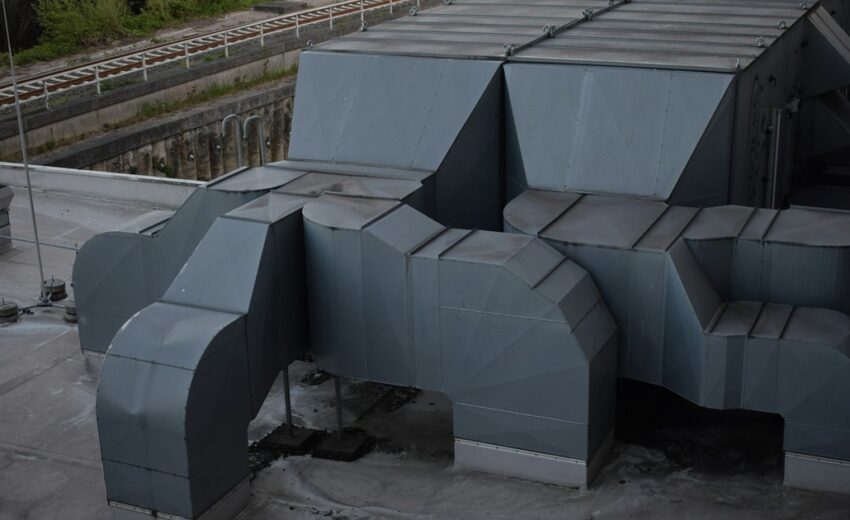
An ecology unit sits on the exhaust line between the kitchen hood and the outside air. Its job is to remove the grease, smoke and odours that hood filters miss, so the air leaving the building is cleaner, neighbours notice less smell and the ductwork after the unit stays drier.
Hood filters catch the heaviest grease droplets near the cooking line. Finer particles and vapour still travel up the duct with the hot air. In a standalone building that air can often vent straight out through the roof. In malls, towers and busy streets, the discharge point is often close to windows, terraces or fresh air intakes. That is where an ecology unit earns its place.
Sanco describes these units as crucial for maintaining air quality in commercial kitchens. They are designed to filter and clean exhaust air, removing grease, odours and other pollutants. Sanco installs units tailored to the needs of restaurants, hotels and healthcare facilities, where they help sites meet health and safety regulations.
Sanco’s units can also be integrated into existing HVAC systems. This supports the building’s wider air quality management and helps manage kitchen effluents effectively. For the site team, it means the filtration unit is planned as part of the whole ventilation setup rather than added as an afterthought.
Good installation also plans for the service life of the unit. It must suit the exhaust volume, the space available and the access needed for future filter changes. Panels should open fully, and technicians need a safe route to reach the unit, especially on rooftops. Poor access is a common reason maintenance slips, because filters that are hard to reach are easy to postpone.
The unit protects the rest of the system too. Less grease reaching the fan means less fuel for a fire and less sticky build up on moving parts. Sanco notes that properly maintained units can lower operating costs by reducing how often duct cleaning is needed and by minimising energy use. Hoods and ducts still need their own care, which Sanco covers through its kitchen exhaust cleaning service.
How the Filter Stages Inside an Ecology Unit Work
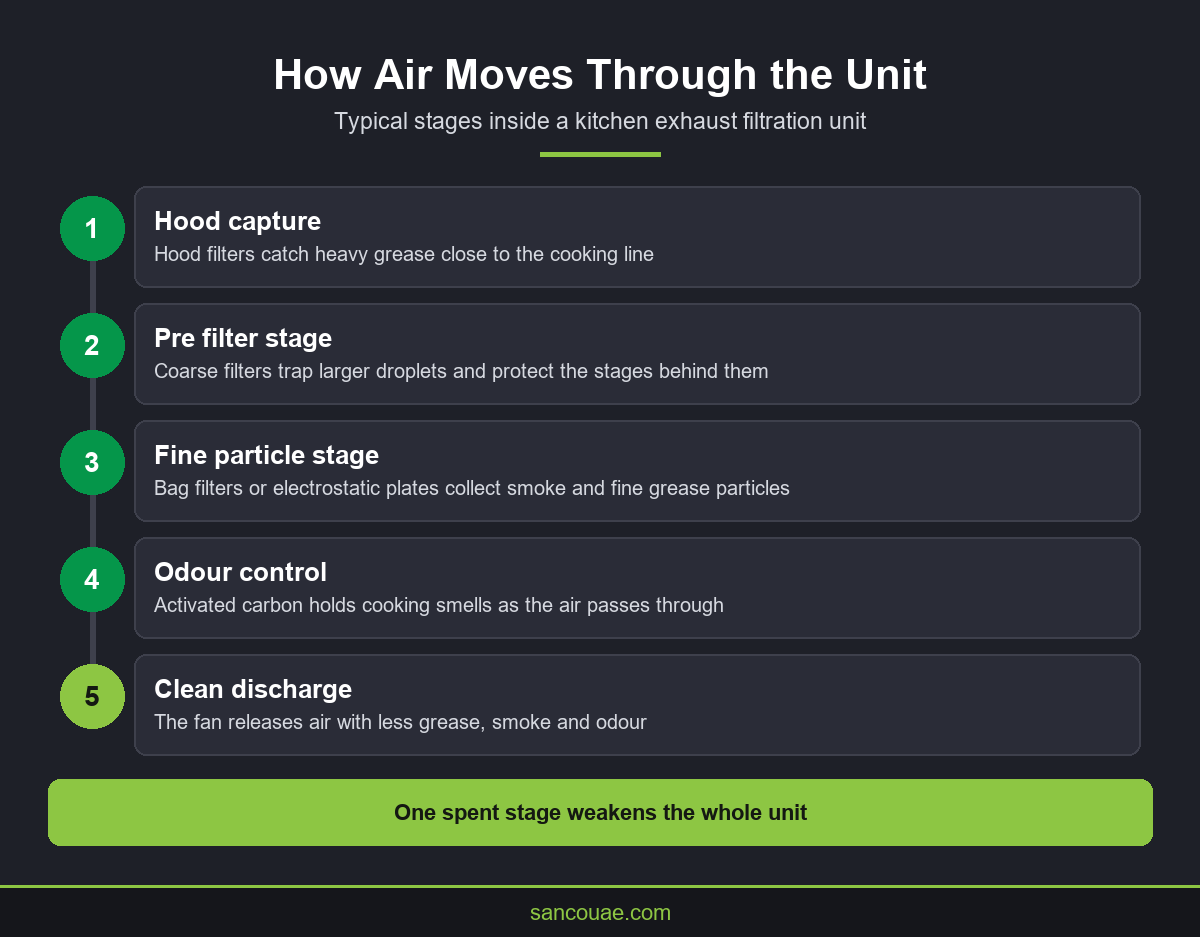
Most kitchen filtration units clean the extracted air in a fixed sequence, moving from coarse grease particles to fine smoke and finally to odour. Each stage targets a different pollutant, so a blocked or spent stage weakens the whole unit even when the others still look clean and the fan is running normally.
Exact layouts vary by manufacturer and site. A typical unit includes these stages:
- Pre filters or grease filters, which catch larger droplets and protect the stages behind them.
- Fine particle filters, such as bag or pleated panel filters, or an electrostatic precipitator that charges smoke particles and collects them on plates.
- Odour control, usually activated carbon media that holds smell molecules on its surface as the air passes through.
- A fan, inside the unit or close to it, that pulls air through every stage and pushes it out.
Some units add UV lamps or other odour treatment, depending on the site and the cooking style. The key point for a kitchen manager is simple. The front stages load up fastest. The carbon stage is used up over time rather than simply getting dirty, so it can look fine while it stops working.
Many units carry pressure gauges or indicator lights. As filters load with grease, resistance rises and air flow drops. Smoke may start to linger at the hood, or the kitchen may feel hotter than usual. These are early signs that an ecology unit needs a filter change, not just a wipe down.
Ecology Unit Maintenance: Filter Changes, Checks and Cleaning
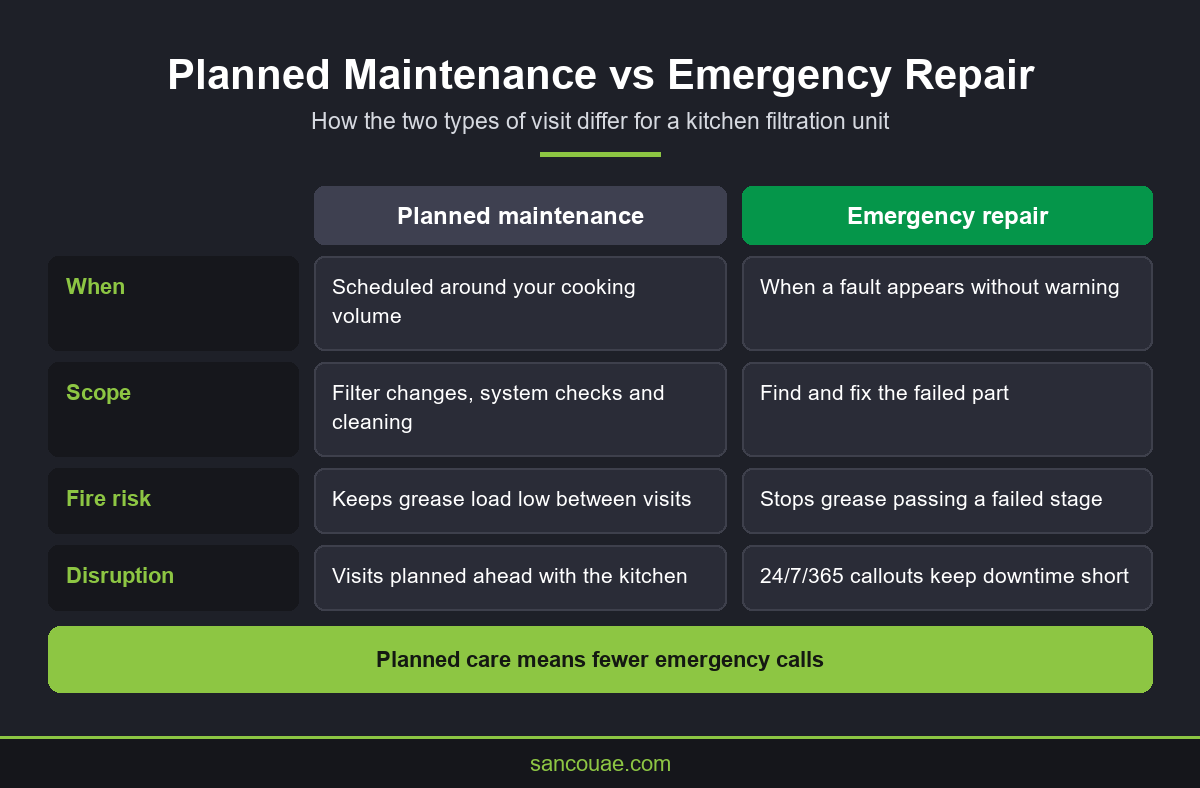
Regular maintenance keeps an ecology unit filtering properly and stops grease collecting where it can feed a fire. Sanco’s scheduled maintenance includes filter changes, system checks and cleaning, which together prevent fire hazards and keep the unit at its designed performance between one planned visit and the next.
Sanco’s maintenance visits cover three areas:
- Filter changes, so loaded or spent filters are replaced and air can pass each stage freely.
- System checks, so faults are found before they turn into a breakdown during service.
- Cleaning, so grease and residue are removed from the unit to reduce fire hazards.
How often should an ecology unit be serviced? There is no single answer. The interval depends on cooking volume, the type of food and the size of the unit. A kitchen running charcoal grills or wok ranges sends far more smoke and grease into the exhaust than one that mostly steams or bakes, so its filters load faster.
A sensible approach is to set the schedule from what the filters show. If pre filters are heavily loaded at every visit, the interval is too long. If they are barely marked, it may be extended. Keep a simple log of each visit, the filters changed and any faults found. That record helps you plan budgets and shows inspectors and insurers that the system is looked after.
Kitchen staff can help between visits. Clean hood filters as scheduled, report unusual smells or smoke, and never switch the unit off during cooking to save energy. Ask your contractor to plan visits outside busy service hours where possible.
Emergency Repairs and When to Call for Help
Even a well maintained ecology unit can fail without warning, usually through a fan fault, a damaged filter or a control problem. Sanco offers emergency repairs and 24/7/365 callouts, so an unexpected fault in the middle of a busy shift can be handled quickly with minimal disruption to kitchen operations.
Watch for these warning signs:
- Smoke or cooking smells at the discharge point or inside the kitchen.
- Weak extraction at the hood, with heat and steam building up on the line.
- Unusual noise or vibration from the fan section.
- Warning lights, alarms or a unit that trips its power supply.
- Grease leaking from panels or joints.
If you see these signs, do not keep cooking at full volume and hope the problem clears. A failed stage lets grease travel further along the system, which adds to the fire load in the duct and fan. Call your service provider, describe what you see, and follow their advice on reducing cooking until the fix is done.
An ecology unit works best as part of a wider routine. Hoods, ducts and fans still need cleaning, waste areas need attention, and grease traps need emptying. Sanco also offers garbage hood cleaning for waste areas, and you can see the full range of kitchen and drainage services in one place.
Conclusion
A well maintained ecology unit keeps kitchen exhaust air cleaner, cuts odours around your building and reduces the grease that feeds fires in ducts and fans. Learn the filter stages, watch for the warning signs and keep a steady maintenance log. Plan filter changes and system checks around your cooking volume, and keep an emergency contact ready for faults. Sanco supplies, installs and maintains these units for restaurants, hotels and healthcare facilities. To arrange a maintenance plan or a new installation, request a free quote from Sanco today.
Frequently Asked Questions
What is an ecology unit in a commercial kitchen?
It is an air filtration unit fitted to the kitchen exhaust system. It removes grease, smoke and odours from extracted air before it is released outside. It is common where exhaust air discharges near neighbours, windows or air intakes.
How often should the filters in an ecology unit be changed?
It depends on cooking volume, food type and unit size. Heavy grilling and wok cooking load filters faster than steaming or baking. Your service provider should inspect the filters at each visit and set the change interval from what they find.
Does an ecology unit replace kitchen exhaust cleaning?
No. The unit filters air leaving the system, but grease still settles in the hood, ducts and fan before it. Those parts need their own cleaning schedule, although a maintained unit can reduce how often duct cleaning is needed.
What are the signs that an ecology unit needs servicing?
Common signs include cooking smells at the discharge point, smoke lingering at the hood, weaker extraction, unusual fan noise and warning lights. Any of these can mean loaded filters or a fault, so book a check promptly rather than waiting.
Can a kitchen filtration unit connect to an existing HVAC system?
Sanco’s ecological units can be integrated into existing HVAC systems, supporting overall air quality management in the kitchen. This helps manage kitchen effluents effectively. Share your current system details when you contact Sanco’s team so the right option can be discussed.
Does Sanco offer emergency repairs for these units?
Yes, Sanco offers emergency repair services for ecology units alongside scheduled maintenance, with 24/7/365 callouts. The aim is to fix unexpected issues quickly, so the kitchen faces minimal disruption to its operations and staff can keep cooking safely.
Which businesses use kitchen exhaust filtration units?
Restaurants, hotels and healthcare facilities are among the sites Sanco installs them for. Any kitchen whose exhaust discharges close to residents, offices, terraces or fresh air intakes benefits. Food courts and kitchens inside tall towers are common examples.
Why does grease in the exhaust matter for fire safety?
Grease that escapes the hood filters settles in ducts, fans and filtration stages, where it builds up as fuel. A spark or flare from the cooking line can ignite it. Regular cleaning and filter changes reduce that fuel load.
Who installs and maintains these units in Dubai?
Sanco Environmental Services, established in 2012 in Dubai, supplies, installs and maintains kitchen filtration units across the UAE. You can read more about Sanco and its services before you book a maintenance visit or an emergency callout.