
Hydro jetting services clear blocked kitchen and building drains by sending high pressure water through the pipe to break up grease, debris and build up. Hydro jetting services restore flow fast, but in a commercial kitchen they treat the symptom, not the cause, unless the grease trap and drain habits are fixed too. This guide explains how jetting works, the signs of a blocked line and why fats, oils and grease (FOG) keep coming back. It also shows how Sanco’s drain line jetting team combines jetting with camera checks and planned maintenance.
Key Takeaways
- Hydro jetting services use high pressure water to break up blockages and clean pipe walls, on indoor drains and outdoor manholes alike.
- In kitchens, drain jetting clears FOG but does not stop it, so grease trap cleaning and good habits must run alongside it.
- Planned maintenance, with jetting and CCTV checks where needed, prevents most emergency callouts.
How Hydro Jetting Services Clear a Blocked Drain
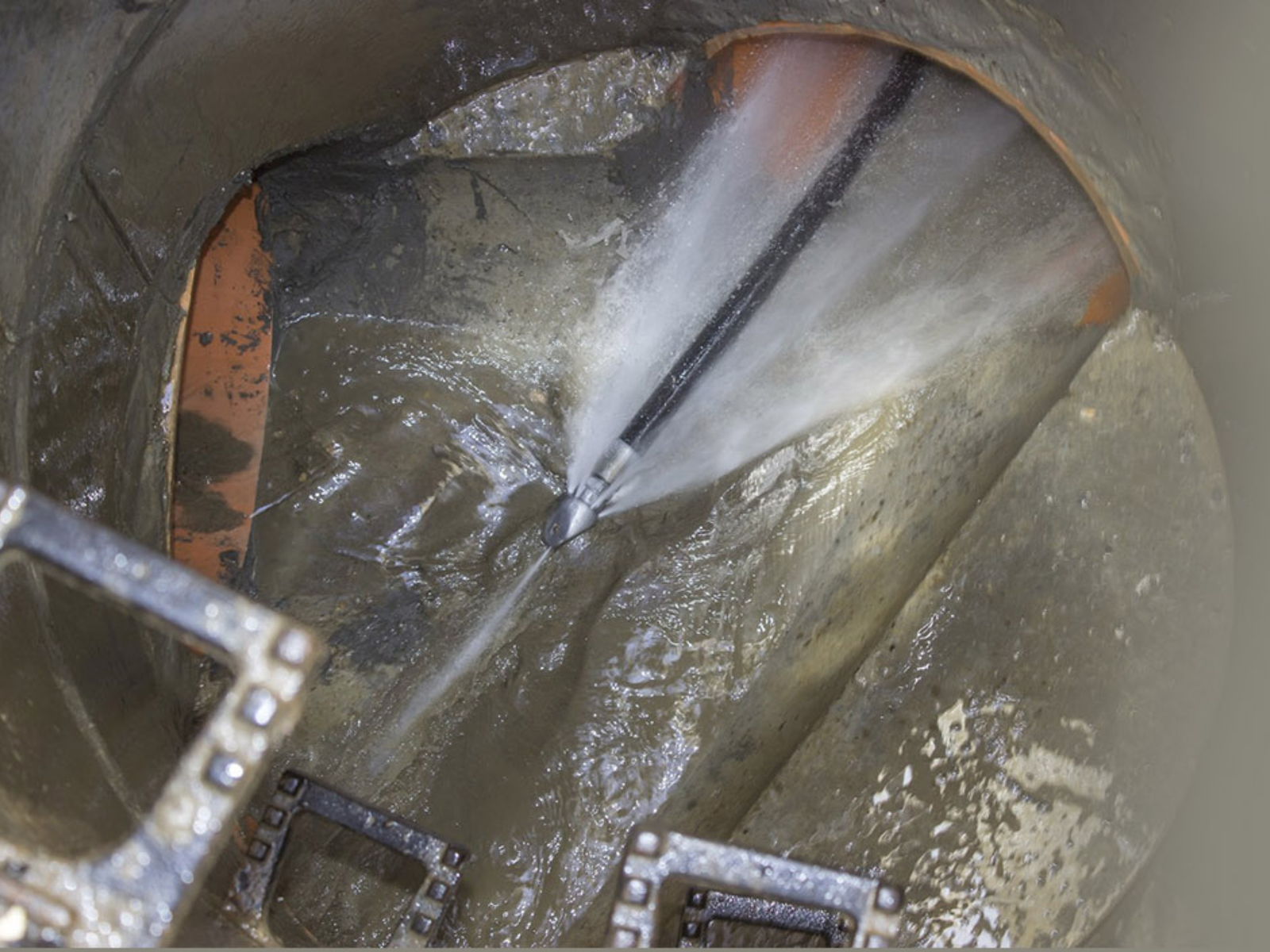
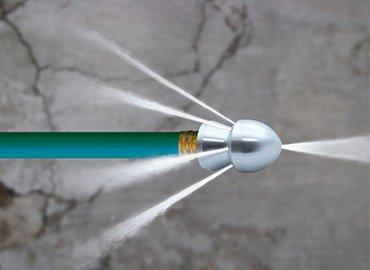
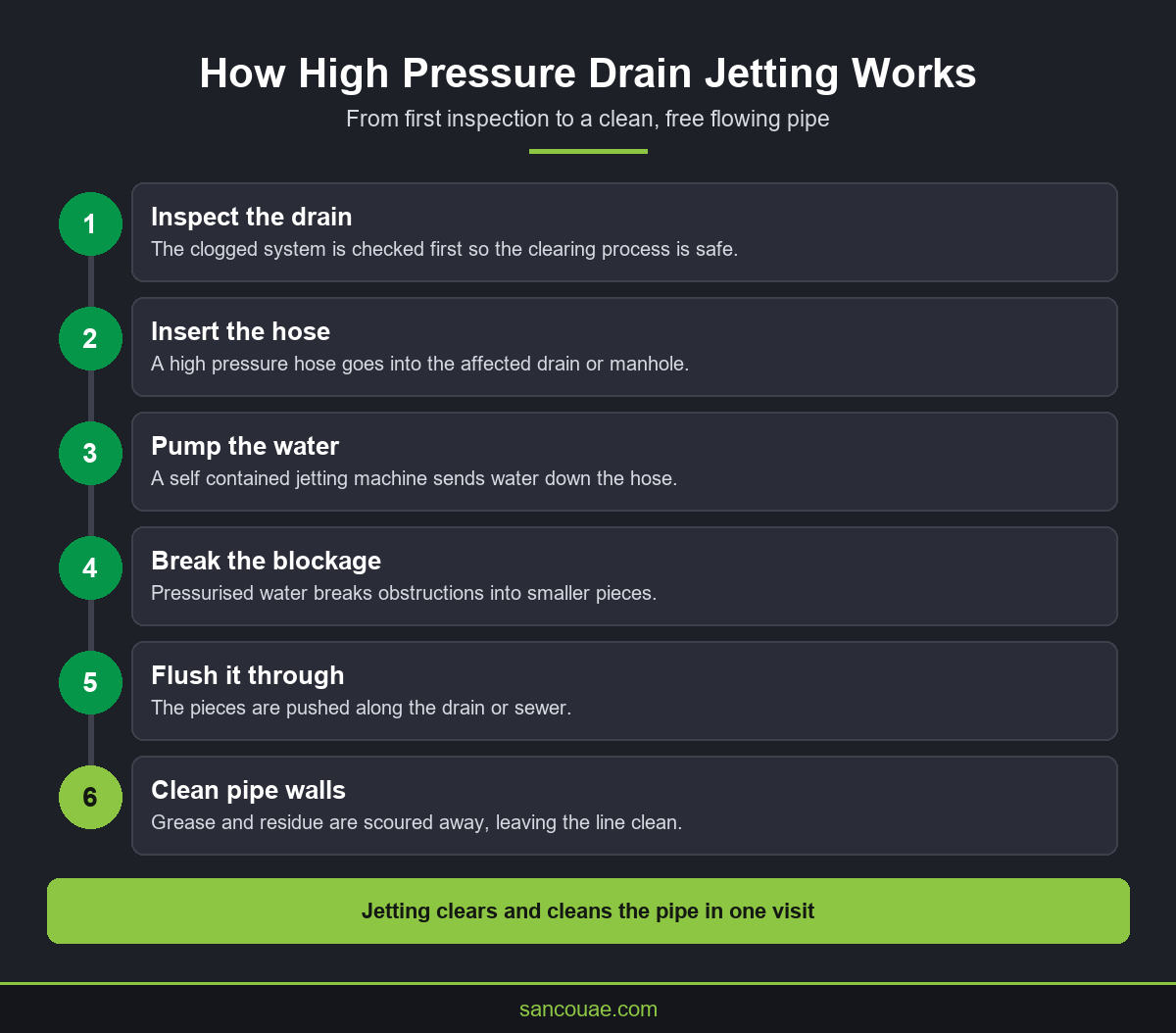
Hydro jetting services clear a drain by forcing high pressure water through the pipe. The water breaks blockages into small pieces and flushes them away, while also scouring grease and debris from the pipe walls. It works on kitchen waste pipes, building stacks, outdoor drains and manholes, which makes it the standard method for stubborn blockages.
The process is simple to describe. A technician feeds a high pressure hose into the affected drain, usually through an access point, gully or manhole. A self contained jetting machine then pumps water down the hose. The stream is strong enough to cut through congestion in the pipe.
Because the water is contained inside the pipe, it builds a force that breaks obstructions apart. It then pushes the pieces through to the sewer. A rod or a snake only punches a hole through a blockage, but jetting cleans the full bore of the pipe. That leaves the line clean and better able to carry waste in future.
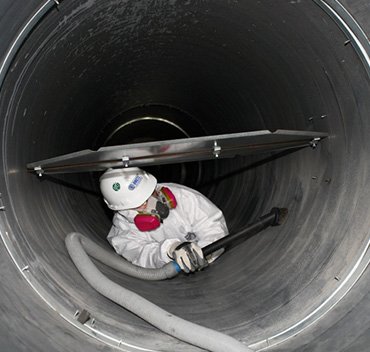
Sanco inspects the clogged drainage system thoroughly before work begins, so the clearing process is safe. That first look matters. A pipe that is cracked or collapsed needs a different plan, so a good crew checks the line before it turns up the pressure.
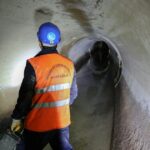
Drain jetting is also flexible. Indoors, it clears blocked sink wastes, floor traps and internal waste pipes. Outdoors, it clears build up and debris from external drains and manholes. Facility teams often look for hydro jetting sewer line work when a building’s main outlet backs up, and the same method applies to that longer run.
Signs Your Kitchen or Building Drains Are Blocked
Most blockages give warning signs before a drain stops completely. Slow sinks, bad smells, gurgling plugholes and water rising at floor traps or manholes all point to a narrowing pipe. Spotting these early lets you book hydro jetting services as a planned visit, rather than an emergency callout in the middle of a busy service.
Sanco lists the core signs to watch for:
- Sinks and bathroom facilities draining slowly
- Bad smells coming from drains or around the property
- Plugholes gurgling as they drain
- Overflow water from floor traps
- High water levels or flooding from gullies or around manholes
Drains can block because of external factors, such as damaged pipes or unwanted intrusions. Most of the time, though, the cause is material building up inside the pipe. In kitchens that means fats, oils and grease. In residential and office buildings it is often wipes and other items that should never be flushed.
Location tells you something too. A slow sink on its own suggests a local blockage in the branch pipe. Several fixtures backing up at once, or water rising at a ground floor manhole, suggest a problem further down the main line. That is when high pressure jetting for blocked kitchen drains and building outlets is usually the right first step.
If you are searching for drain cleaning near me because water is already on the floor, treat it as urgent. Overflowing floor traps in a kitchen are a hygiene risk and can force you to stop service. Sanco offers 24/7/365 callouts and hydro jetting services for emergencies like this.
Why Jetting Alone Does Not Fix a FOG Problem
Jetting removes the grease that is already in the pipe, but it does nothing about the grease that arrives tomorrow. In a commercial kitchen, repeat blockages usually mean fats, oils and grease are escaping the grease trap. Lasting results come from pairing hydro jetting services with proper grease trap cleaning and better kitchen habits.
Hot, greasy water looks harmless when it leaves the sink. As it cools inside the pipe, the grease hardens and sticks to the walls. Food scraps and wipes catch on that layer and the pipe slowly narrows. Left long enough, the mass can become a fatberg, which is far harder to shift.
A grease trap exists to stop this. It holds the wastewater long enough for grease to float and solids to sink, so cleaner water leaves the kitchen. When the trap is full, poorly maintained or bypassed, grease flows straight past it into the drain line. Jetting clears that line, yet the trap keeps sending more grease.
This is why kitchens that call for hydro jetting services every few weeks rarely have a jetting problem. They have a FOG control problem. Regulators treat FOG as something to control at source, which is the idea behind the US EPA national pretreatment program for commercial and industrial discharges.
In Dubai, the municipality grease trap guideline requires traps to be cleaned regularly and at least twice a month. Professional grease trap cleaning removes the grease and sludge from the trap itself. As a result, less of it reaches the pipes you are paying to jet.
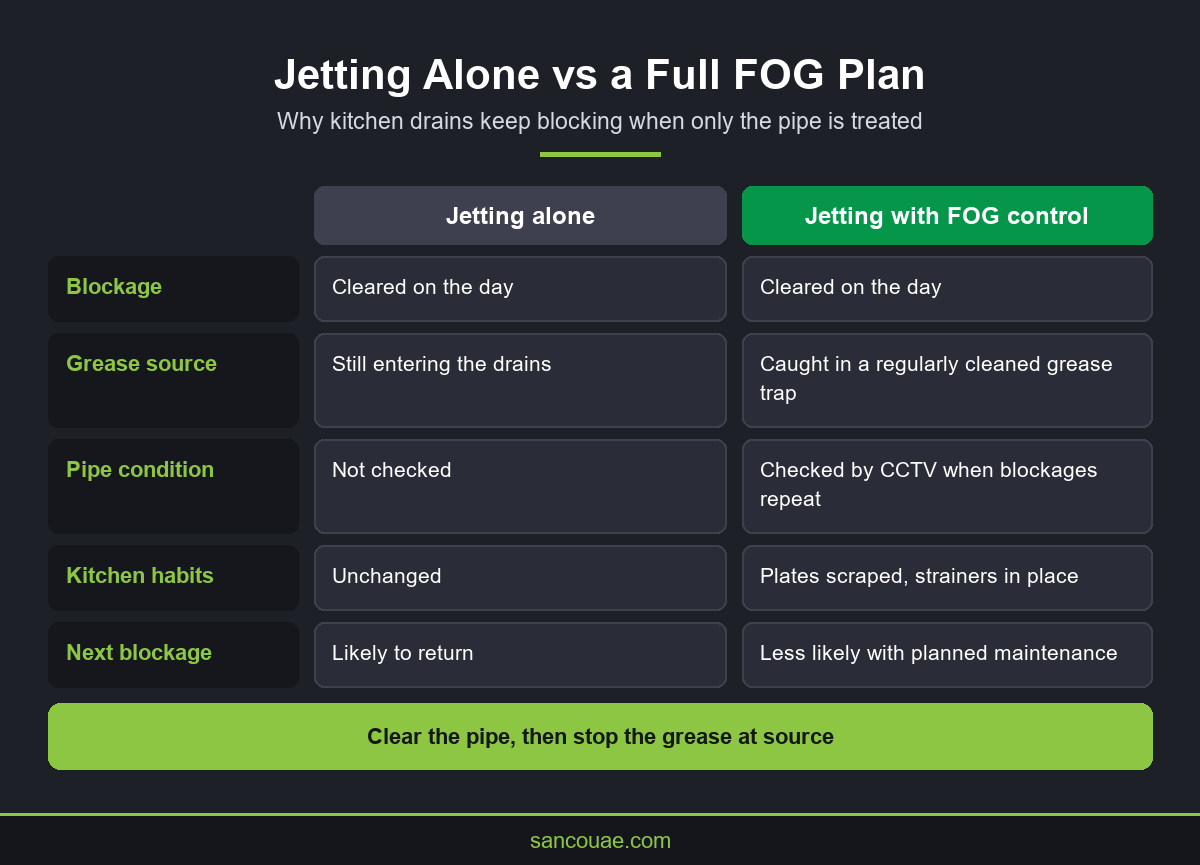
Kitchen habits finish the job. Scrape plates into the bin, wipe greasy pans before washing, and keep strainers in sinks and floor traps. These steps cost little and cut the amount of grease that ever reaches the trap.
Planned Maintenance: Jetting, CCTV and Grease Trap Care Together
The most reliable way to keep kitchen and building drains flowing is a planned maintenance schedule. Regular jetting removes residue before it hardens, camera checks confirm the condition of the pipe, and grease trap cleaning controls FOG at source. Together they turn hydro jetting services from an emergency fix into routine care.
Sanco offers regular jetting under planned maintenance (PPM) contracts. Scheduled visits protect the pipes and remove excess residue before it builds into a blockage. You get fewer surprises and fewer closures during trading hours.
Jetting tells you a line is clear. It does not show why the line blocked or whether the pipe is sound. Where blockages keep returning, a camera survey of the drain line shows cracks, loose joints, root damage or a damaged section that holds grease. That evidence decides whether more jetting will help or a repair is needed.
How often should drains be jetted? There is no single answer. Every drainage system is different, from food factories to residential buildings, and each carries different types and amounts of waste. Sanco tailors the service to each site rather than applying a fixed interval.
Building managers should also look beyond the kitchen. Drain lines often feed sewage tanks and sump pits, and solids that pass through the pipes settle there. Keeping sump pits and sewage tanks emptied on schedule stops backups that look like drain blockages but start further downstream.
Finally, think about response time. A search for hydro jetting near me usually happens when water is already rising. Choose hydro jetting services with 24/7/365 emergency callouts and experience on indoor and outdoor drains. The right team clears the line quickly, then helps you plan to keep it clear.
Conclusion
Hydro jetting services are the fastest way to clear a stubborn blockage in a kitchen or building drain. On their own, though, they treat the symptom. Pair jetting with regular grease trap cleaning, camera checks when blockages repeat and a planned maintenance schedule, and the same lines stay clear for longer. If your drains are slow, smelly or overflowing, Sanco’s team can inspect the system and recommend the right plan. Request a free quote from Sanco and book a visit at a time that suits your site.
Frequently Asked Questions
What are hydro jetting services?
Hydro jetting services use a self contained machine to pump high pressure water through a hose inside the drain. The water breaks blockages into small pieces and flushes them away, while also cleaning grease and debris off the pipe walls.
Does drain jetting work on indoor and outdoor drains?
Yes. Jetting clears internal pipes such as sink wastes and waste pipes, and it also clears outdoor drains and manholes of build up and debris. Indoors or out, it clears the blockage and cleans the pipe at the same time.
Why does my kitchen drain keep blocking after jetting?
Repeat blockages usually mean grease is escaping the grease trap. Jetting clears what is in the pipe but not what arrives next. Check that the trap is cleaned at least twice a month and that staff keep grease out of sinks.
Can jetting damage my pipes?
Jetting suits sound pipes, which is why Sanco inspects the clogged system before work begins. If a pipe may be cracked or collapsed, a CCTV survey first shows its condition, so the crew can choose the right approach.
How often should commercial drains be jetted?
It depends on the system. A busy kitchen line carries far more grease than an office washroom pipe. Sanco looks at your drainage and tailors the jetting frequency to the site, often as part of a planned maintenance contract.
Is jetting better than chemical drain cleaners?
For grease blockages, physical removal is usually the safer choice. A common concern is that chemicals loosen grease so it sets again further down the line. In Dubai, the grease trap guideline also forbids contractors from using acid, caustics or solvents when cleaning grease traps.
Do you offer emergency drain jetting in Dubai?
Yes. Sanco offers 24/7/365 emergency callouts for blocked drains, overflowing floor traps and rising manholes. You can contact the Sanco office at any time, and the team will advise on the fastest way to clear the line.
How much do hydro jetting services cost?
Cost depends on the type of blockage and how long it takes to remove, so there is no single price. Share the details of your site and Sanco’s engineers will discuss your requirements before any work starts.
Can treatment products reduce how often I need jetting?
Dosing products can support a grease trap between professional cleans, but they never replace scheduled pump outs. Read how Sanco’s grease trap treatment fits alongside cleaning, then use jetting to clear any blockage that has already formed inside the pipes.